What is Fleet Management?: Key Components and Top Challenges
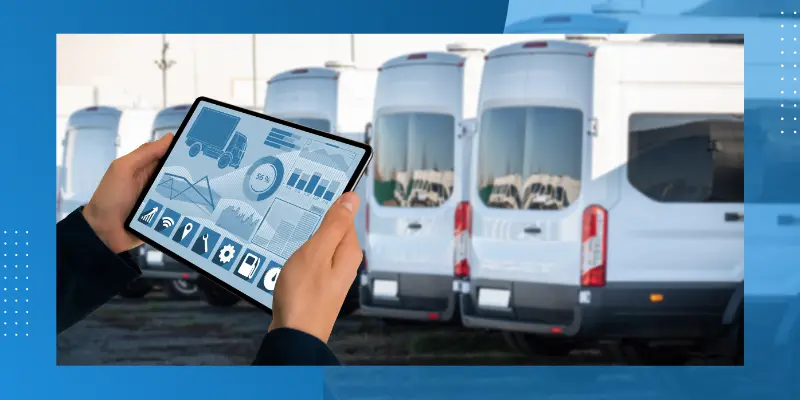
Vehicles play a vital role in the supply chain. Without them, moving goods from point A to point B simply wouldn’t be possible. For many organizations, business vehicles are critical assets, and fleet management encompasses the systems, processes, and tools needed to ensure an organization’s fleet of business vehicles is maintained throughout its entire lifecycle. Because of this, effective fleet management is essential to keeping supply chain and delivery operations running smoothly and cost-efficiently. But what is fleet management? And why does it matter for business owners?
Let’s dive into the fleet management process, including its key components, core roles, and the top challenges fleet managers face today!
Important note: While the term “fleet” can refer to many types of vehicles across land, sea, and air operations, this guide focuses on the most common business fleets—road-based vehicles such as trucks, vans, and delivery motorcycles.
What is fleet management?
Fleet management is the process of overseeing and coordinating a company’s vehicles, drivers, and related assets to maximize efficiency, safety, and cost-effectiveness throughout their lifecycle. It covers a wide range of activities, from vehicle acquisition and deployment up to eventual disposal.
Fleet operations focus on the day-to-day management and optimization of a company’s vehicle fleet. This includes preventive maintenance, driver oversight, compliance tracking, and real-time vehicle monitoring. Effective fleet management relies on structured processes and integrated systems to help organizations use their resources wisely and get the highest value from their assets.
What assets and fleet vehicles are included in fleet management?
Fleet management covers a wide range of asset types, including:
- Delivery vehicles
- Trucks and trailers
- Service vans
- Heavy equipment
- Specialty vehicles
What are the 8 key fleet management functions?
Fleet management encompasses a wide range of responsibilities that ensure the efficient operation of a company’s vehicle fleet. Key functions include:
-
Vehicle acquisition
- Sound fleet management begins with smart vehicle acquisition. It’s important to select vehicles that match your operational needs, budget, workload demands, and regulatory requirements.
-
Fleet maintenance
- Vehicle maintenance and regular servicing ensure your fleet is in the best state to power your transport and delivery needs. This function not only includes scheduling repairs for damaged parts but also scheduling preventive maintenance and keeping records of maintenance history.
-
Driver management
- Unless your organization operates fully autonomous vehicles, effective fleet performance depends heavily on how well drivers are recruited, trained, scheduled, and supported. Driver management includes onboarding, certification tracking, performance monitoring, safety training, and policy compliance to ensure consistent, safe, and efficient operations.
-
Route planning & dispatch
- Beyond having drivers on the road, fleet operations also depend on back-end coordination, such as route optimization, real-time dispatch adjustments, delivery scheduling, and vehicle assignments.
-
Compliance
- Compliance with all applicable laws, regulations, and internal policies. This function covers securing and updating vehicle registrations and permits. It also includes ensuring all drivers have the relevant licenses and certifications. Internal compliance processes may include service logs, safety training, and GPS tracking. By ensuring strict compliance, fleet managers avoid penalties, minimize operational disruption, and minimize legal risk.
-
Asset management
- This function focuses on tracking and managing fleet assets so you always know what vehicles you have, where they are, and what condition they’re in. It also includes monitoring usage, availability, and performance to ensure assets are properly utilized. Strong asset management helps optimize resource allocation, extend vehicle lifespan, and improve overall operational efficiency.
-
Reporting & analytics
- Like every area of your business, fleet management should also have key metrics to measure performance. These can include tracking fuel consumption, asset utilization, budget management, and driver performance. Safety metrics are equally important and may include accident rates, safety violations, incident frequency, and driver behavior scores. Having quantitative data like these enables fleet management managers to make data-driven decisions, improve operational performance, and reduce risk over time.
-
Vehicle disposal
- You also need to plan for timely, cost-effective vehicle disposal and replacement. This function involves identifying the useful life of a vehicle, evaluating resale value, and reviewing depreciation. It’s important to determine the right time to retire an asset and have a structured disposal strategy when the time comes, whether it’s resale, trade-in, or recycling.
By integrating these key components into your fleet management strategy, you’ll have a fleet that’s optimized, efficient, and poised to support business growth.
What technology and fleet management software are used in fleet management?
To help fleet managers and their teams perform their key functions, they can rely on advanced technology. Here are the common examples of modern fleet management tools and software:
Tracking and visibility
- GPS vehicle tracking for real-time visibility
- Telematics systems for real-time vehicle performance
- Geofencing alerts and route deviation notifications
Route planning and maintenance
- Route scheduling software
- Traffic navigation tools
- Delivery sequencing and load optimization
- Automated dispatching platforms
- Preventive maintenance scheduling tools
- Alerts for inspections, recalls, or part replacements
Driver management and safety
- Driver performance monitoring dashboards
- Hours-of-service tracking and compliance tools
- Driver behavior analytics (speeding, harsh braking, fuel management)
- Safety training modules and certification tracking
Fuel and expense management
- Fuel consumption tracking and reporting tools
- Automated expense and invoice management
- Fleet card for fuel cost monitoring
- Carbon footprint and efficiency tracking
Reporting and analytics
- KPI dashboards (fleet utilization, cost per mile, safety metrics)
- Predictive analytics for budgeting and route planning
- Compliance and audit reports
- Customizable operational reports for executive decision-making
Compliance and regulatory tools
- Licensing and registration trackers
- Inspection reminders and record management
- Regulatory reporting automation
- Alerts for upcoming renewals or violations
- Online platforms for driver safety training
Integrating these modern tools with your strategy is crucial for operational efficiency. And to help you make the most out of these tools and software, it’s best to work with logistics virtual assistants (VAs). Schedule a free consultation call with the 20four7VA team to learn how working with VAs enables smoother delivery operations without overshooting your budget.
Why is fleet management important for businesses?
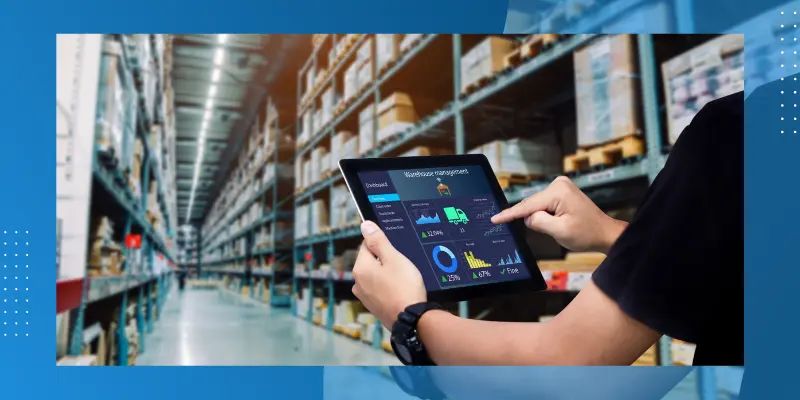
Fleet management is essential not only for keeping vehicles in good condition but also for ensuring smooth, efficient, and cost-effective delivery operations. By optimizing vehicle use, driver performance, and operational processes, fleet managers can reduce downtime, control expenses, maintain compliance, and deliver a consistently high level of service to customers.
-
Efficiency and uptime
Proper fleet management keeps vehicles properly maintained, scheduled, and utilized, which reduces downtime and prevents operational disruptions. With proactive maintenance and optimized routing, businesses can keep more vehicles on the road and more jobs completed on time.
-
Cost control and budget predictability
Vehicles represent a significant investment for any business, and managing their associated costs is essential to getting the most value from these assets. Fleet-related expenses (e.g., fuel consumption, maintenance, repairs, insurance, and depreciation) can quickly become unpredictable without proper oversight. Structured fleet management helps track and control these costs, enabling more accurate forecasting and smarter budgeting decisions.
-
Safety, vehicle maintenance, and regulatory compliance
Deliveries can face many challenges, but skilled fleet management can prevent most delays. Experienced fleet managers help reduce accident risks, extend vehicle lifespans, and ensure compliance with licensing, inspections, and operational regulations, minimizing exposure to fines and liability. Equally important, they ensure driver safety, safeguarding an organization’s most valuable asset: its people.
-
Customer satisfaction and service reliability
Reliable vehicles, well-planned routes, and consistent dispatch coordination lead to more accurate delivery windows and faster response times. Having well-oiled fleet management systems means customers get packages faster and safer, improving customer satisfaction and client retention.
-
Future-proof your delivery operations
Effective fleet management solutions include tools that enhance fleet efficiency, offer real-time visibility, enable digitization, streamline processes, and optimize budgets. With the right technology, you can improve vehicle maintenance schedules, reduce downtime, optimize routes, and gain insights into fleet performance. These capabilities not only lower costs but also enable faster, more reliable deliveries while leveraging the data-driven insights you need to raise operational performance.
What makes up a fleet management team?
Here are the key positions you need to fill when creating a fleet management team:
- Fleet manager: Fleet managers oversee all aspects of fleet operations, including scheduling, compliance, and cost control. They are also responsible for maintaining the fleet through preventative vehicle maintenance to avoid breakdowns and reduce unplanned vehicle downtime.
- Dispatch coordinators: These staff members handle route planning and driver assignments to ensure timely deliveries and efficient fleet utilization.
- Compliance/admin staff: They manage regulatory requirements, documentation, and ensure the fleet adheres to industry standards.
- Maintenance coordinators: Maintenance coordinators focus on scheduling regular maintenance to keep fleet vehicles in optimal condition. They must balance maintenance costs with operational needs, as effective planning helps prevent breakdowns and minimizes overall expenses.
- Data/reporting support: This role involves tracking fleet performance, maintenance schedules, and real-time reporting to help reduce vehicle downtime and support proactive decision-making.
With the rise of remote staffing, you can hire virtual assistants to fulfill key roles in your fleet management team. Schedule a free consultation call with the 20four7VA Sales Executives to learn how a VA can offer skilled support to your fleet management efforts.
What are the common fleet management challenges and potential solutions?
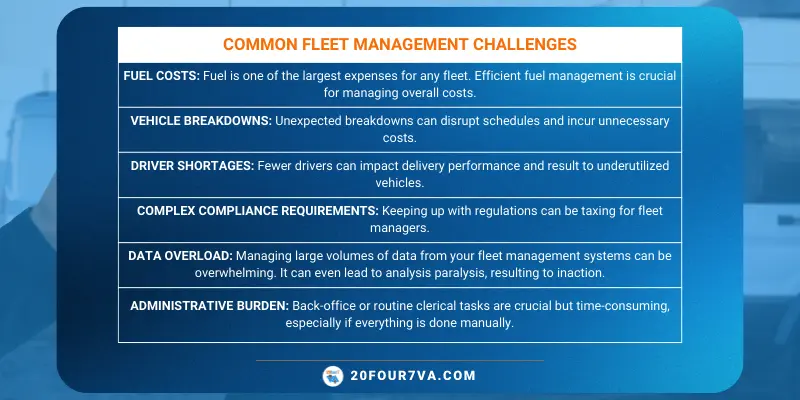
Below are some of the most common challenges fleet managers encounter, along with fleet management solutions that can help address and overcome them effectively:
| Challenges | Potential Solutions | |
| Fuel costs | Fuel is one of the largest expenses for any fleet. Efficient fuel management is crucial for managing overall costs. |
|
| Vehicle breakdowns | Unexpected breakdowns can disrupt schedules and incur unnecessary costs. |
|
| Driver shortages | Fewer drivers can impact delivery performance and result to underutilized vehicles. |
|
| Complex compliance requirements | Keeping up with regulations can be taxing for fleet managers. |
|
| Data overload | Managing large volumes of data from your fleet management systems can be overwhelming. It can even lead to “analysis paralysis,” resulting in inaction. |
|
| Administrative burden | Back-office or routine clerical tasks are crucial but time-consuming, especially if everything is done manually. |
|
Hire remote assistants for successful fleet management systems
Managing a fleet involves more than vehicles and drivers—it requires consistent coordination, documentation, reporting, and compliance oversight. As operations grow, these responsibilities can quickly become overwhelming for in-house teams.
Hiring remote assistants can help distribute the administrative workload and ensure that routine but essential tasks—such as maintenance scheduling, compliance tracking, route documentation, reporting, and driver record management—are handled efficiently. With the right remote support, fleet managers can focus on strategic planning and operational improvements while maintaining organized, streamlined fleet systems.
Ready to hire your virtual assistant and give your fleet management efforts a boost? Schedule a free consultation call with the 20four7VA Sales Executives to get started.
Frequently-asked questions (FAQs)
| What is fleet management? | Fleet management is the process of overseeing a company’s vehicles, drivers, and related assets to ensure safe, efficient, and cost-effective operations. The primary goal of fleet management is to maximize performance while minimizing costs and risks throughout the fleet’s lifecycle. |
| What are the common fleet management challenges? | Fleet managers face various challenges in ensuring efficient fleet operations. Common challenges include rising fuel costs, vehicle breakdowns, and driver shortages. Additionally, back-end issues such as complex compliance requirements, data overload, and administrative overload can slow down a fleet management team and keep managers from focusing on high-level responsibilities. |
| Why should I hire a VA for my fleet management team? | The right virtual assistant or VA can provide the skilled support you need to take on essential yet time-consuming fleet management tasks. You can delegate tasks such as maintenance scheduling, compliance documentation, reporting, and more. By delegating these tasks to a reliable virtual assistant, fleet managers like you can focus on more strategic decision-making and scaling delivery operations.
|