Podcast Editor Jobs: A Guide for Creative Remote Talent
The podcast industry is growing rapidly, creating strong demand for skilled remote professionals who support the planning, production, and promotion of podcast shows. Podcast editors play a vital role within a podcasting team, helping deliver high-quality audio and video content that aligns with a client’s brand and audience. Many podcast production companies are structured as LLCs, which provides legal and operational credibility in the industry.
For creative remote talent, podcast editor jobs offer a dynamic career path that blends technical skills, storytelling, and digital media talent. These roles are available in major markets such as New York, as well as through remote opportunities. If you’re a creative virtual assistant who wants to be part of the growing podcast industry, pursuing remote editor positions could be your next smart career move.
What is a podcast editor?
A podcast editor is a creative professional responsible for refining raw audio and video recordings into polished, engaging podcast episodes. Mixing is a crucial skill for podcast editors, as it involves balancing audio elements and achieving a polished final product. They ensure each episode sounds clear, consistent, and professional. Additionally, they are tasked with structuring content for smooth listening or viewing. Podcast editors should have a good ear for sound quality to identify and address issues such as background noise.
Podcast editors are required to handle video content, including multi-camera switching and creating short clips for social media platforms. The role may also involve producing short-form social clips optimized for platforms like TikTok and Instagram.
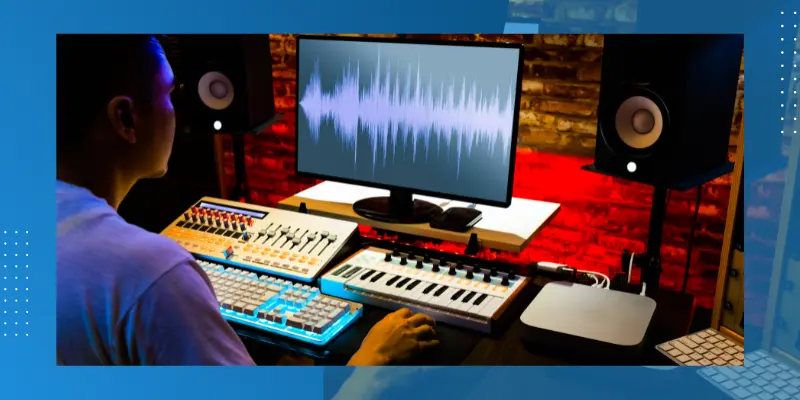
Beyond editing episodes, podcast editors need a strong understanding of audio editing software like Adobe Audition or Pro Tools. They also help extend the lifespan of each show by repurposing content. They create engaging short- and long-form assets for platforms like YouTube, LinkedIn, social media, and show directories. Editors must identify key moments in long-form recordings to craft engaging short-form clips for platforms such as TikTok and Instagram. Adding captions to these clips is essential for enhancing accessibility and engagement on social media.
Podcast editing as a remote career
Like most modern digital roles, podcast editing tasks can be done virtually. Podcasting editors collaborate remotely with hosts, producers, and content teams using online tools, making this position especially well-suited for virtual assistants and remote talent seeking flexible, creative work opportunities. Podcast editors often collaborate with producers, hosts, and guests to ensure high-quality output and timely delivery.
Common podcast editor tasks
As a remote editor, you may be assigned various creative tasks as well as documentation and reporting responsibilities. Here are some examples of what you can expect to do in this job:
- Edit videos to align with brand style, format, technical specs, and schedule
- Analyze videos and find clips for short and long-form content for digital media (Instagram reels, YouTube shorts, TikTok, etc.)
- Participate in brainstorming and collaboration sessions with the team
- Upload, annotate, and post videos across multiple social media platforms
- Organize digital files for better data management
- Update project management applications as needed
- Mix and master audio files to achieve a polished sound, and select, edit, and mix music to enhance the audio experience of podcasts
- And more
Of course, your final scope of work will largely depend on your client’s format, creative direction, and content strategy.
Benefits of working as a virtual podcast editor
You may be wondering, “Why should I become an editor in the first place?” Working as a creative professional in the podcasting industry gives you the opportunity to continuously practice and refine your skills while being part of a fast-growing digital space and earning an income. Freelance podcast editing is the perfect, flexible, and fulfilling profession for those seeking both personal and professional fulfillment. At the same time, you can build a career contributing to real-world projects that reach active audiences.
As a freelance podcast editor, you can work from anywhere in the world as long as you have a laptop and an internet connection. You have the freedom to choose your own hours and select projects that interest you, allowing you to build a strong portfolio that showcases your skills.
1. Be part of a growing industry.
The global podcasting industry is estimated to reach USD 131.13 billion by 2030. As more businesses and creators invest in shows, the demand for creative experts rises.
By becoming a virtual editor, you can gain exposure to different industries and niches, from entrepreneurship and entertainment to tech and education. The variety not only keeps work exciting and interesting but also helps provide a deeper understanding of the different audiences and styles.
2. Develop your creative and technical skills.
The dynamic industry offers plenty of opportunities to develop and sharpen both your creative and technical abilities. Working as a virtual editor for podcasters allows you to continuously practice and improve skills in audio editing, video production, and content repurposing for multiple platforms.
At the same time, you gain valuable collaborative experience by working closely with hosts, producers, and marketing teams. Exposure to different show formats and strategies helps you expand your versatility and technical prowess. This experience is crucial as it can enable you to form your own style and approach to podcasting. Over time, the accumulated experience and proficiencies help strengthen your portfolio and position you for more advanced opportunities in this format or other digital media.
3. Pursue a remote career.
Compared to a typical 9-to-5 job, pursuing remote opportunities offers greater flexibility and control over your schedule. This is especially beneficial for creatives who find balancing work and personal life challenging. By taking on a remote role, you can still pursue a fulfilling career without having to worry about the rigid work hours, daily commute, and other time- and energy-consuming routines.
Exploring remote podcast editing opportunities enables you to earn an income from the comfort of your personal workspace. What’s even better is that as your skills, speed, and specialization improve, you can qualify for more advanced positions and increased pay ranges.
4. Future-proof your career.
Podcasting and the digital content sector as a whole show no signs of slowing down. In fact, according to a Bloomberg report, it has shattered expectations. The 2025 report states that the industry “generated $7.3 billion in sales last year, more than double most estimates.” Joining this sector means you’re building a career in a space that continues to expand and evolve.
How to land podcast editor jobs
If you want to get an editor position on a production team, here are some of the things you need to check off your list:
1. Hone your skills
To land your first remote editor job, you need to have a strong portfolio and hone relevant soft and technical skills.
-
Organizational skills
You need to have strong organizational skills and an ability to prioritize tasks, especially when juggling multiple assignments at a time. An effective organization includes maintaining clear file structures, tracking versions, and managing timelines across projects.
-
Attention to detail
Detail-oriented creatives excel in editing opportunities because small improvements make a big difference in the final output. As an editor, you must be able to catch audio glitches, awkward cuts, timing issues, and formatting inconsistencies to ensure each episode sounds polished and professional.
-
Effective communication skills
Collaborating with a distributed team can be challenging, but not for an excellent communicator! You need to be able to communicate effectively with team members to ensure everyone is on the same page. As a podcast editor, you must know how to provide regular updates and clarify instructions and expectations for better show results.
-
Adaptability
Those in the digital content sector need to be quick on their feet and pivot effectively. In podcasting, this can mean adopting a new workflow, adjusting to updated brand guidelines, or quickly learning new editing software.
You must always keep an ear to the ground, staying on the lookout for emerging trends and industry news. Staying open to feedback and continuous improvement allows you to refine your process, upgrade your skills, and consistently deliver high-quality results. All these make you a more competitive candidate for editor openings.
2. Learn the tools of the trade
Editors must be comfortable using audio and video editing software to produce high-quality content. Common software includes Audacity, Descript, GarageBand, Premiere Pro, and Final Cut Pro.
It’s important that you know the usual settings, such as noise reduction, leveling, transitions, and subtitles. Knowing these features will make you more competitive when applying for podcast editor opportunities. It signals to recruiters that you’re a candidate who can quickly contribute without requiring extensive hands-on training.
3. Prepare your credentials
Your resume should highlight relevant work experience and skills that demonstrate your talent and readiness for editing roles. Make sure to include your knowledge of different editing software, such as Adobe Audition and Pro Tools. It also helps to add relevant credentials, certifications, and other references that support your credibility.
As a creative, it’s also important to build a strong portfolio. It’s concrete proof of your experience and body of work, helping you stand out in the job market and give potential clients an overview of what you can offer. Remember to include demo reels and before-and-after sample edits for the consideration of recruiters.
4. Keep up with industry trends and developments
The podcast editor industry is constantly evolving, with new trends and developments emerging all the time. Staying up to date with the latest industry developments is crucial to delivering high-quality content and advancing your career.
Your research must also include the growth of social platforms, the increasing demand for high-quality audio content, and the development of new tools and technologies. Social networking sites are important for podcasters who want to improve visibility and reach a wider audience. The trends on these platforms can inform how you edit and create long- and short-form content for your show.
Another area you need to keep an eye on is the use of artificial intelligence (AI) and machine learning in audio editing. While AI is becoming more prevalent in audio editing, whether in automated noise reduction or transcription, it is best used as a supplement rather than a replacement for human creativity. Your mission should be to learn about how new technology can complement your creative process and productivity.
Find podcast editor job opportunities with 20four7VA
Becoming a remote editor can be a rewarding and fulfilling career move for you. It allows you to grow your skills, collaborate with remote and distributed teams, and work on diverse media projects from any corner of the world.
Aside from the financial benefits, pursuing a remote position offers you more freedom. You have a bigger marketplace you can tap into and more control of where you put your focus.
20four7VA is an equal opportunity employer. We encourage all qualified applicants to apply for editor opportunities regardless of race, color, gender, national origin, or any other protected status.
Challenges of freelancing
There are plenty of ways you can find a remote role for a creative team. You can search online and join job boards. However, finding work as a freelancer can be challenging and stressful. Here are some difficulties you may experience:
- Difficulty in finding reliable and consistent job opportunities
- Managing multiple tedious application processes
- Potentially spending more time searching and applying for opportunities rather than focusing on actual editing work
- Challenges in marketing yourself effectively
- Navigating clerical work, including negotiating contracts, invoicing, and client communications, on your own
- Lack of support or resources that a platform or agency might provide, such as training, networking, or client matching
Why choose 20four7VA?
At 20four7VA, we connect talented virtual professionals with clients seeking skilled remote professionals to support their operations. For more than a decade, we’ve stayed committed to helping global remote talent find rewarding opportunities that may not be available in their home countries.
By joining our network, you can gain access to a variety of remote editing opportunities, from short-term projects to long-term partnerships. We provide a platform that makes it easier to showcase your body of work and apply for positions that match your experience and interests.
Advance your career in podcast production
In conclusion, building a successful career as a podcast editor requires a blend of technical expertise, creativity, and business savvy. By developing a standout portfolio, actively marketing your skills, and building a strong professional network, you can attract clients and secure podcast editor jobs.
The benefits of this career path are clear: flexible schedules, the ability to work with diverse clients, and the freedom to choose projects that match your interests and skills. As the demand for high-quality podcast editing continues to rise, now is the perfect time to explore opportunities in this dynamic field.
Whether you’re just starting out or looking to advance your editing career, take advantage of the many resources available: online courses, workshops, and professional organizations—to keep your skills up to date. Stay curious, keep learning, and be open to new challenges and opportunities.
With dedication, attention to detail, and a commitment to delivering top-notch audio content, you can build a rewarding and sustainable career as a podcast editor. For the latest podcast editor jobs, including remote roles in Los Angeles, CA, and New York, be sure to check out online job boards and industry resources. Good luck, and happy editing!
Frequently-asked questions (FAQs)
| What is a podcast editor? | A podcast editor is a creative professional who transforms raw audio and video recordings into polished, ready-to-publish podcast episodes. They handle mixing, adding captions, and more. Their work also includes repurposing content for social media to help expand a show’s reach. Because the work is fully digital, podcast editing is well-suited for remote professionals. |
| Why pursue a remote career as an editor? | A remote career offers flexibility and access to global opportunities. Instead of the traditional 9-to-5 grind at the office, remote editors can work from their own space and manage their time more efficiently. This setup can appeal to editors who value work-life balance and want to create a workspace that inspires creativity and productivity.
You gain exposure to diverse projects, content styles, and client expectations across different industries. Over time, this variety helps you expand your technical skills, strengthen your creative judgment, and build a more versatile portfolio. |
| What makes joining 20four7VA the right move for you? | 20four7VA is a reliable VA staffing company that has connected more than 18,000 remote talent to find virtual assistant (VA) opportunities. We carefully vet our clients to help ensure a safe, professional, and growth-oriented work environment for our VAs.
We also provide comprehensive back-end support to all VAs in our pool, including training resources, client invoicing, and compliance assistance. With these essentials handled for you, you can focus on your craft and deliver your best work while earning a stable income. When you work with us, you’re supported by an award-winning remote staffing team committed to your long-term success.
|